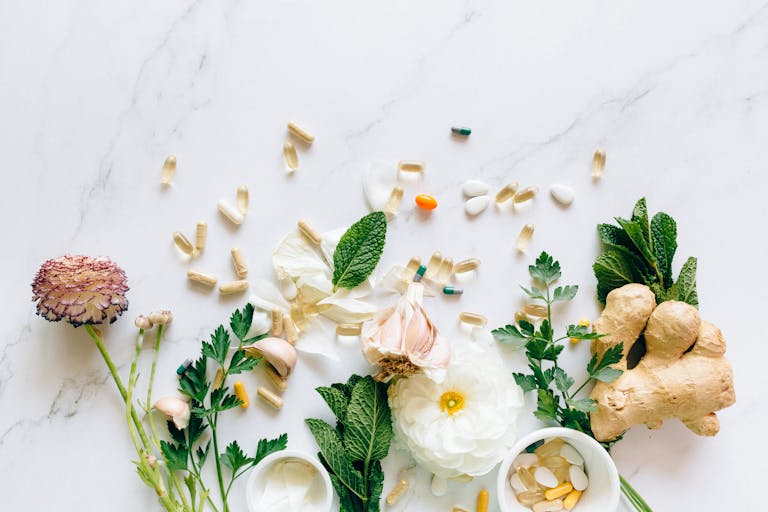
Supporting Your Immune System During Cold Season
Cold season has officially arrived, and with it comes the familiar scratchy throat, congestion, and fatigue that many of us experience several times each year.
While rest, hydration, and symptom management remain foundational, there is growing research exploring supplements that may help shorten the duration or reduce the severity of the common cold. Below is an updated review of the evidence behind some of the most discussed options: zinc, vitamin D, vitamin C, and echinacea.
Zinc
Zinc continues to show some of the strongest evidence for cold support. While it may not prevent colds entirely, research has consistently shown that zinc supplementation can reduce the duration of symptoms, in some studies by up to one-third. Considering that most colds last between five and ten days, this reduction can be meaningful.
More recent analyses confirm its benefit primarily in shortening illness time rather than preventing it, particularly when zinc is taken at the first sign of symptoms. Lozenges are often used in studies, and timing appears to matter significantly.
Vitamin D
Vitamin D plays a central role in immune regulation, and deficiency is common during the fall and winter months. One study found that daily vitamin D supplementation of up to 4,000 IU helped individuals remain infection-free over time.
Evidence specific to common cold prevention is mixed, but the overall relationship between vitamin D levels and immune function is well-established. For most people, a daily maintenance dose around 1,000 IU is both reasonable and beneficial during colder months, although it is best to test levels and individualize supplementation with your healthcare provider.
Vitamin C
Vitamin C has long been associated with immune support, and while it does not seem to significantly reduce the chance of catching a cold, it can play a role in symptom reduction once illness begins.
Earlier research showed only about an eight percent reduction in symptom duration, but newer data suggests closer to a 15 to 20 percent improvement in symptom severity and length when taken regularly and started early in the illness. Although its effects are milder than those of zinc, vitamin C can still be a helpful adjunct.
Echinacea
Echinacea remains a popular botanical approach for supporting immune function. Emerging research suggests that dosage and timing matter. Daily use during cold season may help reduce both the likelihood of recurring infections and the severity of symptoms when illness occurs.
Studies have explored doses of approximately 2,400 mg per day for prevention and up to 4,000 mg during early illness. While echinacea is not a cure-all, it may provide measurable benefit when taken consistently and at appropriate doses.
Final Thoughts
There is no single supplement that can prevent or cure the common cold. However, evidence supports zinc as a leading option for shortening cold duration, with vitamin D playing a foundational role in overall immune health. Echinacea and vitamin C may offer additional support, particularly when used thoughtfully and at effective doses.
As always, speak with your healthcare provider before introducing new supplements, especially if you are pregnant, breastfeeding, on medication, or managing chronic health conditions. Pair these supportive tools with rest, hydration, nutrient-dense foods, and stress management to give your body.
Zinc for prevention and treatment of the common cold
Vitamin C reduces the severity of common colds: a meta-analysis